
"Yirgacheffe vs Harar"
5000 article(s) found

Differences, distinctions and awards of coffee beans of Ethel é plus Chuefei washing Wakayega native species
Communication of professional baristas Please pay attention to the Coffee Workshop (Wechat official account cafe_style) compared with the traditional sun-treated Harald producing area, sun exposure is not common. As the first water washing plant in Ethiopia, coffee drinkers are more familiar with the water-washed Yejia, which is famous for its elegant lemon and citrus style. It is not easy to wash the flavor of coffee.

Introduction to the grade of coffee beans in Ethiopia
Grade of Ethiopian coffee: Ethiopian washed coffee Yega Chuefei G1 G2 Sidamo (Yirgacheffe, Sidamo) has the highest grades 2 and 3 (G2, G3), while sun-processed coffee in eastern Ethiopia is mostly grade 4 or 5 (G4, G5). In many cases, level 4 coffee is marked as level 5 in order to reduce taxes. At present, the classification is not uniform and there are

Flavor Description of Yega Shefi Sidama Coffee Bean Variety Treatment Manor Introduction
The coffee growing area of Ethiopia is divided into two halves due to the Great Rift Valley, resulting in different coffee forms on both sides. In the east, there are Harar, thin and pointed beans, long body and short body, and exquisite varieties such as Sidama and Yega Shefi in the east; while in the west, the varieties are more complex, and the west is divided along East Africa.

Introduction to the Yega Coffee Cochel Shepherd Coffee Bean Flavor processing Manor in Ethiopia
The grade of Ethiopian coffee: Ethiopian washed coffee Yega Chefe G1 G2 Sidamo (Yirgacheffe, Sidamo) the highest grades are level 2 and 3 (G2, G3), while sun-processed coffee in eastern Ethiopia is mostly Grade 4 or Grade 5 (G4, G5). In many cases

Ethiopian Arabica coffee with rich body Original growing environment Fine coffee
The highest grades of washed Ethiopian coffee Yirgacheffe G1 G2 Sidamo are Grade 2 and Grade 3 (G2, G3), and the coffee processed in the sun in eastern Ethiopia is mostly Grade 4 or Grade 5 (G4, G5). In many cases, fourth-grade coffee is labeled as five-grade in order to reduce taxes. Now the classification is not very uniform, some chaos, because there are sun processing

A brief introduction to the Market Price of Bean varieties in Yega Fine Coffee Manor in Ethiopia
Most of the refining methods of Yirgacheffe are water washing (washed), which is fermented and shelled in the washing tank for about 72 hours and dried directly outside the plant. After the raw beans are manually selected and qualified by the Ethiopian Coffee Cocoa Management Agency, they are traded and exported through competitive bidding. Its annual output is about 225000 bags (60kg per bag), which used to be the main.

Introduction to the taste of Yega Snow Flavor Coffee Bean Grinding scale production area Variety treatment method
Characteristics of Yirgacheffe Flavor Coffee production area Variety treatment method Taste introduction: most of the refining methods of Yejaschuffe are washed refining method, which is fermented and shelled in a washing tank for about 72 hours and dried directly outside the factory building. After the raw beans were manually selected and qualified by the Ethiopian Coffee Cocoa Management Agency, they passed the competition.

Introduction to the taste grinding degree of Ethiopian coffee flavor description method
At present, about 25% of the Ethiopian population directly or indirectly depends on coffee production for a living. The majority of farmers use traditional planting methods. Artificial care of coffee trees, the use of organic fertilizers, do not use harmful pesticides and herbicides, etc. Therefore, most of the coffee produced by Ethiopia is organic coffee. Due to different planting methods, coffee can be divided into forest-semi-forest coffee (Forest or semi-f).
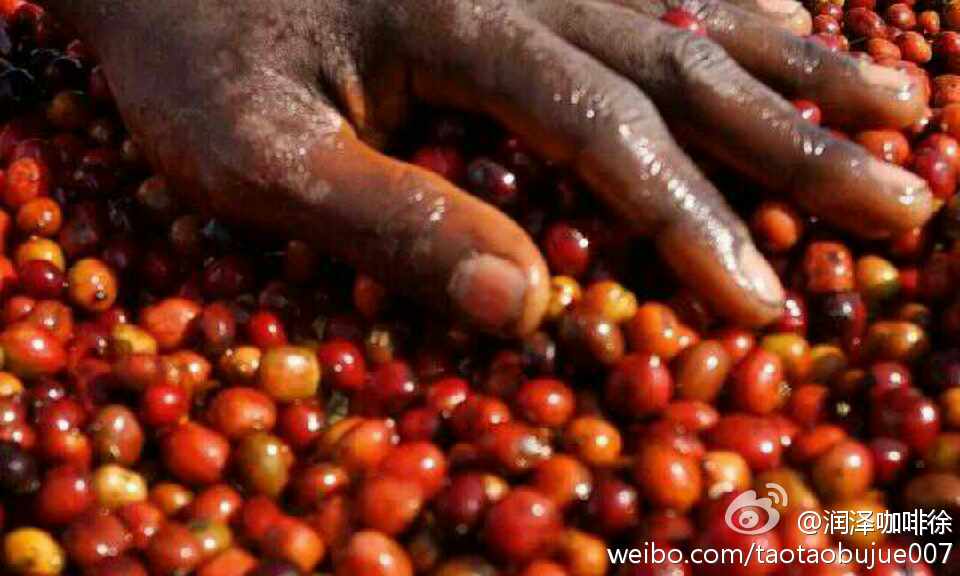
Full-bodied citrus sour and sweet sun Yega Chefevoca flavor, characteristics, taste and manor introduction
The bean comes from a single farm, Ethiopia, and is processed by the Waka Cooperative (Worka cooperative). Alemayehu Alako Farm is a member of the Waka Cooperative. The Waka Cooperative, located in the south of Gedeb District, was founded in 2005 and joined the famous Yejia Sheffield Coffee Farmers Cooperative Union (YCFCU,Yirgacheffe Coffee Farmers Cooperati).

Flavor description of bright and crisp Sidamo G3-flavored coffee beans
The unique fragrance of Yirgacheffe comes from Yirga, a small town in the northwest of Sidamo province. Yirgacheffe coffee raw bean is one of the most distinctive coffee in the world. It is rare and expensive. It is produced in the plateau of Ethiopia's Sidamo province, which is 2000 meters above sea level. It is the leading coffee maker in Africa.

Introduction to the quality and taste characteristics of Yejia Coffee Flavor description treatment
Yega Chuefei coffee light roasted Yirgacheffe, roast over low heat for 15 minutes (210C), turn off the heat and glide for half a minute and immediately cool the beans and blow off the silver skin. The coffee beans are roasted evenly (because the raw beans are washed and clean) and brown. When using hand coffee grinding, it feels good, smooth and moderate resistance. The dry aroma of coffee powder has just begun.

Description of Coffee Bean Flavor in Yejia Coffee Manor introduction of Variety treatment in Taste producing area
Description of flavor of coffee beans in Yejia Chet Manor Variety treatment method in producing areas most of the refining methods of Yirgacheffe are washed refining, which is fermented and shelled in a washing tank for about 72 hours and dried directly outside the factory building. After the raw beans were manually selected and qualified by the Ethiopian Coffee Cocoa Management Agency, the raw beans were passed by the bidders.

Ethiopian coffee raw beans introduce cup size in coffee shop
The highest grades of Ethiopian washed coffee Yega Chuefei G1 G2 Sidamo (Yirgacheffe, Sidamo) are Grade 2 and Grade 3 (G2, G3), while most of the sun-processed coffee in eastern Ethiopia are Grade 4 or Grade 5 (G4, G5). In many cases, level 4 coffee is marked as level 5 in order to reduce taxes. At present, the grading is not uniform and messy, because there is also sun processing.

Is Harald mocha coffee good in Ethiopia? information on Harald coffee producing area
Professional coffee knowledge exchange more coffee bean information please follow the coffee workshop (Wechat official account cafe_style) Ethiopia is the origin of coffee. Once upon a time, there was a town in southern Ethiopia called Kafa, where there were some red fruits. The shepherd found that the sheep was so excited after eating the fruit that they picked it and tasted it, so the fruit was pawned.

Introduction to the flavor characteristics of Ethiopian coffee bean-Harald coffee
Professional coffee knowledge exchange more information about coffee beans please follow the coffee workshop (Wechat official account cafe_style) Ethiopia has always been regarded as the birthplace of coffee. When you understand the local way of handling coffee, you can probably understand that this imperial status is well-deserved. Even under the worst production conditions, coffee trees are blocked by other crops from the sun

Guji, Ethiopia G1 washed sun-cured coffee beans flavor description treatment of variety characteristics
Ethiopian coffee flavor description introduces Ethiopia's Yirgacheffe coffee, although petite, it is gentle and delicate, sweet and lovely. As the hometown of coffee, thousands of years of planting history and processing tradition in Ethiopia have created high-quality washed Arabica beans. Light baking has a unique sweet aroma of lemon, flower and honey, with soft acidity.

Brief introduction of Ethiopian Coffee the hometown of Arabica Coffee
Lim G2 Ethiopia is the hometown of Arabica coffee, and you can see wild Arabica coffee in the forests of the Kaffa region. In Ethiopian, coffee is called Bun or Buna, and coffee beans (coffee bean) may be translated from Kaffa Bun. Arabica coffee has long been found in the Harald area, which is very accessible.

Ethiopian coffee producing area introduction The difference between red cherry coffee and Kocher coffee and
There are eight major coffee producing areas in Ethiopia: Lekempti, Limu, Illubabor, Djimmah, Harar, Teppi/Bebeka, Sidamo and Yirgacheffe. Yegashefi is a small town in Ethiopia with an altitude of 1700-2100 meters. It is one of the highest coffee producing areas in the world and synonymous with Ethiopian fine coffee. Lake Turkana, Argentina

The plateau of Ethiopia, the birthplace of coffee culture, is the birthplace of coffee.
The highlands of Ethiopia are the birthplace of coffee. The traditional drying method is still used to produce mocha-Hara beans (Harrar,Harari,Harer or Harar) at an altitude of about 2,000 meters near Harrar in the east. Hara has a medium texture with a fruit wine-like flavor, and a good Hara is as wild as the best Yemenmoka. Dried beans from other areas, such as

A brief introduction to boutique coffee beans and Ethiopian coffee
Lim G2 Ethiopia is the hometown of Arabica coffee, and you can see wild Arabica coffee in the forests of the Kaffa region. In Ethiopian, coffee is called Bun or Buna, and coffee beans (coffee bean) may be translated from Kaffa Bun. Arabica coffee has long been found in the Harald area, which is very accessible.